
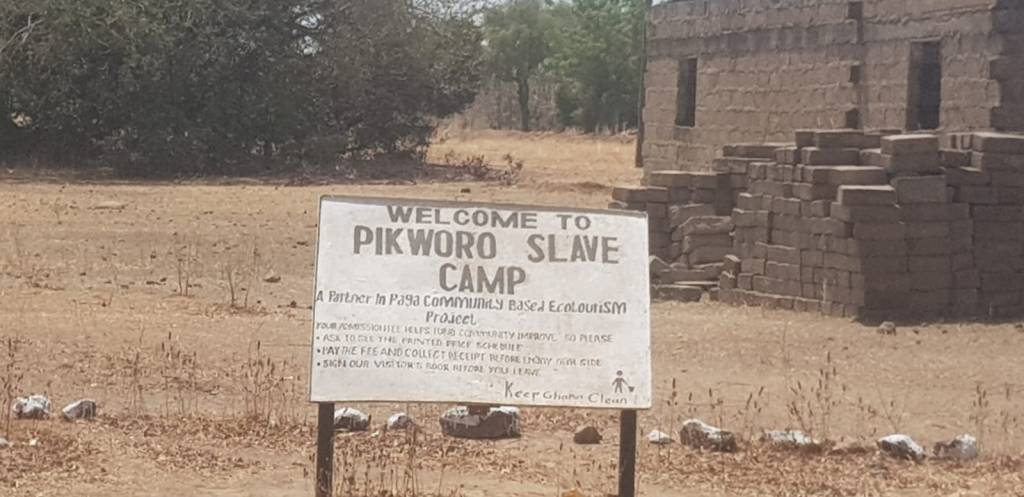
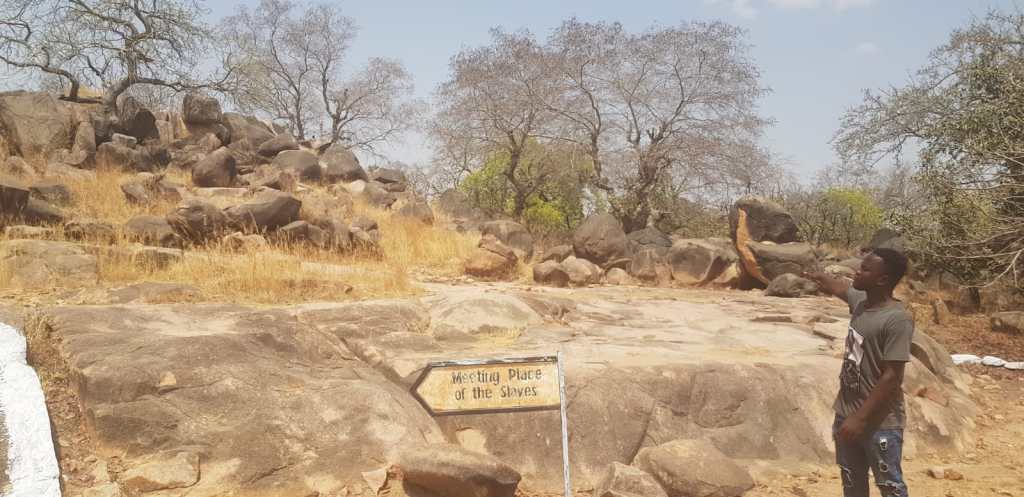
This week began a very important part of semester abroad in Ghana. We are stopping at different points along a slave route from the northernmost point of Ghana all the way to the castles at the Southern coast. We started at the Pikworo Slave Camp at Paga. Paga is right at the border of Ghana and Burkina Faso. Enslaved people would be brought from as far as Mali to this point. They only ate once a day and had little food and water. Groups of people would try to free the people kept there but often times were defeated and enslaved as well. We were taken to see where the enslaved people ate, made their food, got their water from, were sold, and punished. We also saw where the overseer would keep a lookout for runaways and intruders as well as a place where enslaved people would dance and make music on rocks.
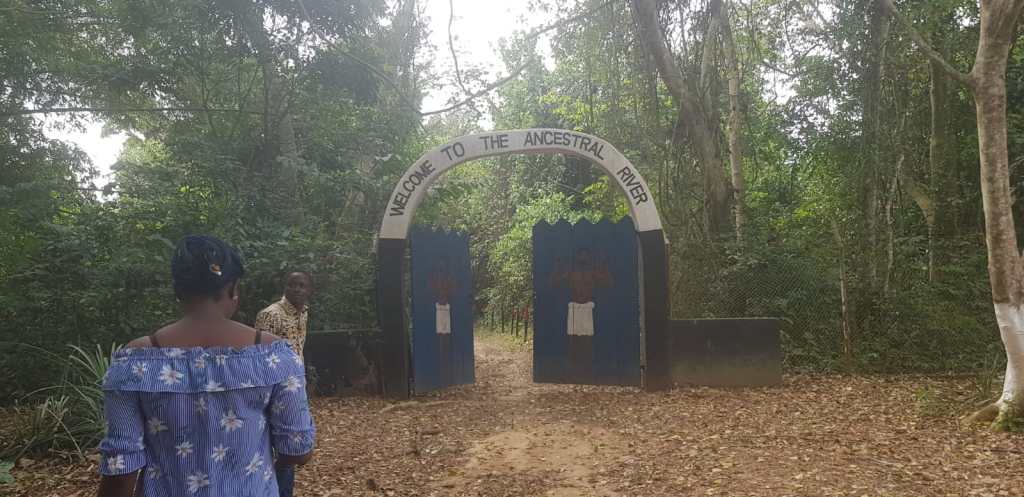
The day after Pikworo Slave Camp, we went to Mole National Park where I got to see elephants, monkeys, warthogs, and antelope. The next day, on our way to Cape Coast, we stopped at Assin Manso Ancestral Slave River Park. This was where enslaved people had their last bath before reaching the castle. It took us two days to drive there from Damango (further South from Paga), enslaved people would have to walk in chains. It took them 90 days to get there from Paga (some were coming from as far as Mali remember). Additionally, to get past modern day Mole National Park (where the wild animals were), the slaver would choose the weakest among the group, beat them bloody, and tie them to a tree. When the animals came to feast on the person, the rest of the group would move along. Hearing this information really made me somber. Along the walls of Assin Manso Park are different prominent figures in Black liberation, most notably to me were Nanny of the Maroons and Marcus Mosiah Garvey, two of Jamaica’s national heros. Before going to the river he actually told the story of Nanny and her role in liberating enslaved people, setting up Maroon towns and and the Maroon wars with the British. I already knew her story but hearing it in Ghana where she came from (she was taken from Ashanti region) was somewhat surreal.
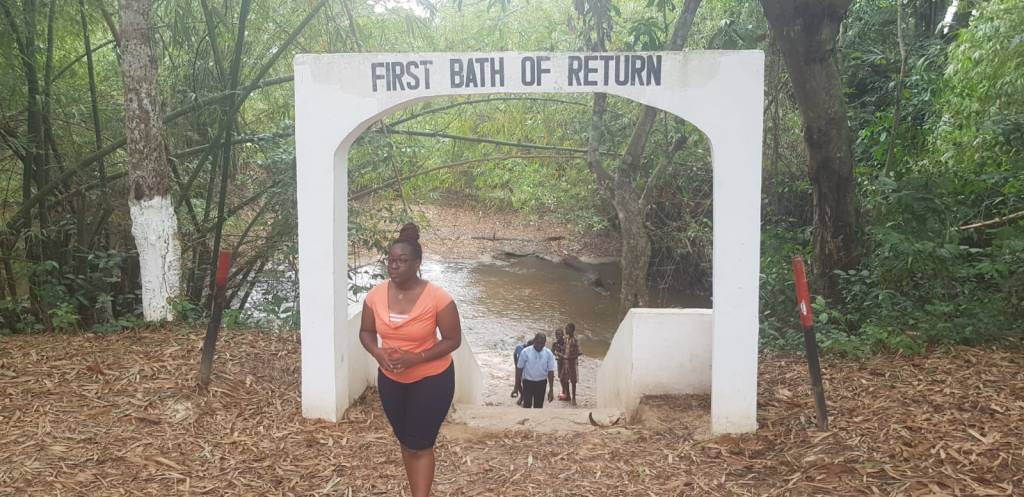
On our way to the to the river itself, we were urged to remove our shoes as we were going to ancestral grounds. I do not like walking barefoot at all but I felt compelled to do so, after all my ancestors did not have shoes and were in chains. When we got to the river, the tour guide explained how enslaved people were bathed. Groups would be walked into the river with a cannon ball at one end as an anchor. Pieces of the bamboo around would be used to scrub the enslaved people. This was quite rough and sometimes removed skin. After the bath, they were oiled up to look more attractive and were sold right in front of the river. Often times they would be branded for the first time at this point as well. Those waiting to be bathed were tied back to back to a tree with a lot of thorns so nobody would try to escape.
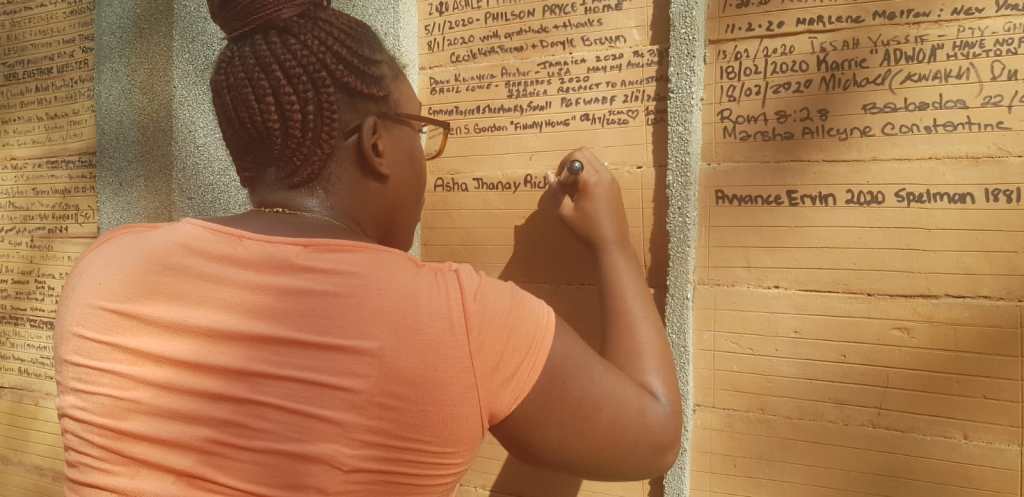
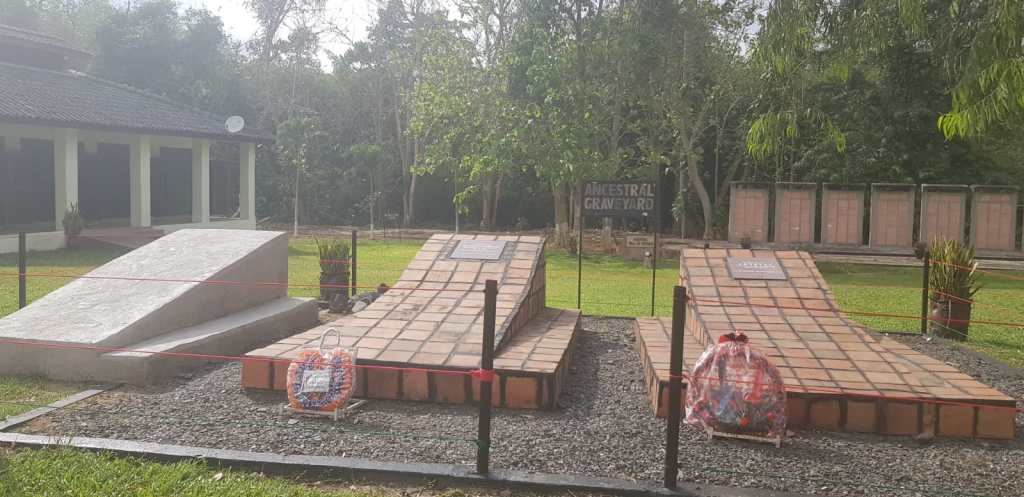
When we went down to the river, it became overcast. I went into the Slave River and had a moment of silence; after which, I washed my feet, hands, and face. I don’t know if it was just me but the river smelled very odd once I got in it. It smelled like something died. At the bottom of the river, there was gold dust. Something in me told me to reach into the river. I picked up a very small stone, it was clear and shiny. We then walked back to where we started at the ancestral grave site. This is where they buried 2 enslaved people (one unknown enslaved person from a mass grave in Barbados and Crystal from Jamaica) and Samuel Carson, an African American Navy seaman killed in the Mexican-American war. The first two, Crystal and Samuel, were brought to Assin Manso on Ghana’s first celebration of emancipation day in 1999 (Apparently, the Prime Minister at the time was in Jamaica and witnessed our emancipation day celebration. He was so moved that he decided to start celebrating emancipation day in Ghana as well). The one that stuck out to me was Crystal. She was an enslaved person stolen from the Ashanti region and brought to Jamaica. While in Jamaica, she went on hunger strike. Her teeth were bashed in and she was force fed up until emancipation. She decided to continue her hunger strike for those who were still in bondage and died a few months later. As the tour guide was telling the story of Crystal, it became bright outside again. Lastly we were taken to the wall of return. According to the tour guide, in Akan tradition, our spirits and that of our ancestors are tied to our names. Even though we no longer have our day names (mine is Yaa), we have been gone so long that our spirits are tied to our new names. by writing our names on the wall, our ancestors have an avenue to return to their homeland. I signed my name and date on the wall. Shortly, after it started raining (with the sun still out and shining). This might have been coincidence but my spirit felt at peace that day. Upon leaving Assin Manso, the song By the Rivers of Babylon kept playing in my head.
Tonight, Avy and I were mandated by our schools to return home due to Coronavirus. We decided to go to the beach that night as a final fun group outing/get together before we made plans to leave as we have become somewhat of a close knit family. We ended up at the beach adjacent to Cape Coast Castle, my ancestors last point before leaving Africa forever. A bit under the influence of alcohol, I wrote “ASHA JHANAY RICHARDS (YAA) WAS HERE)” into the sand for the tide to wash away and carry the message to my dead ancestors in Jamaica. Through my name on the sand, in that specific location, they can return to the same point they left.
 Denkyem